What to Look for in a Jamestown Tiny Home Builder for Custom Small-Space Designs
What to Look for in a Jamestown Tiny Home Builder for Custom Small-Space Designs
Blog Article
Dependable Home Builder: Designing Your Dream Home
Appointing a reliable home builder is an important step in converting a vision into a concrete fact. This decision can greatly shape the construction process and overall satisfaction. Critical traits like communication abilities, extensive experience, and a strong reputation are crucial. Understanding these factors can create a more streamlined experience. Still, numerous homeowners fail to recognize important aspects that can impact their process. What must they examine before taking this important choice?
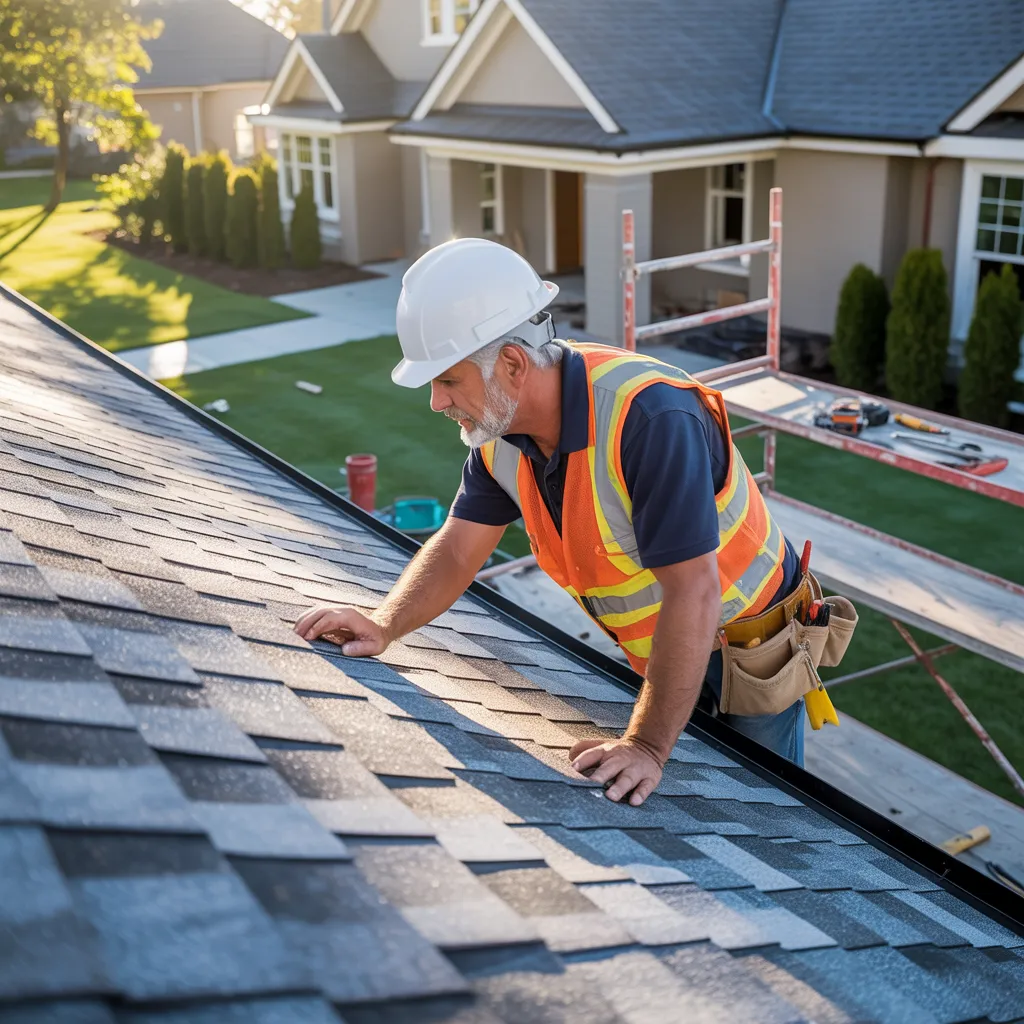
Essential Qualities of a Reliable Home Builder
In choosing a home builder, the foundation of a strong partnership originates in their fundamental attributes. A dependable home builder exhibits superior communication skills, guaranteeing transparency throughout the building process. They need to maintain broad industry experience, which equips them to navigate challenges and produce quality results. Meticulous precision is one more crucial quality; it represents their dedication to quality workmanship and adherence to building codes.
Additionally, a credible builder should develop a dependable reputation, supported by glowing reviews and client references. This reputation is generally formed on trustworthiness and reliability in honoring timelines and spending constraints. Flexibility remains a key factor, as a builder must be attentive to client feedback and inclined to adapt plans as called for. All things considered, these qualities function together to foster a collaborative setting, fundamental for making a customer's vision a reality.
Rewards of Selecting the Correct Builder for Your Desired Residence
Choosing the right contractor greatly enhances the home construction experience, translating visions into tangible results. A experienced builder not only brings professionalism and expertise but also ensures adherence to timelines and budgets. This reliability fosters confidence for homeowners, knowing their investment is in capable hands.
In addition, a reputable builder often cultivates deep connections with suppliers and subcontractors, leading to excellent materials and workmanship. This can result in a more durable and efficient home, ultimately reducing long-term ongoing maintenance expenses.
Additionally, the suitable contractor supplies useful recommendations during the initial planning, customizing the home to fulfill unique requirements and desires. Their understanding of local regulations and building codes can accelerate the licensing procedure, decreasing postponements.
In the end, picking the right builder establishes a solid foundation for a prosperous project, boosting satisfaction and assuring that the dream home transforms into a actuality.
What You Should Understand About the Home Building Process?
What can property owners expect during the construction process? The process begins with an initial consultation, where property owners discuss their vision and budget with the contractor. This stage often involves site selection and obtaining necessary permits, which can take time and require patience.
Once planning is in motion, construction phases commence, entailing preparatory ground tasks, framing, and installing utilities. Homeowners should prepare for regular updates and monitoring visits to assess progress. Challenges may arise, such as weather delays or material shortages, which are expected in the building sequence.
As the project nears completion, homeowners will participate in final inspections, confirming everything meets their requirements. This process culminates in the thrilling moment of obtaining the keys to their new home. Throughout this endeavor, open dialogue with the builder is essential to navigate challenges and guarantee that the final result matches the homeowner's vision.
Key Topics to Review Your Home Builder
When choosing a home builder, it's important to assess their qualifications and background to ensure they have a proven track record. Additionally, evaluating their communication and responsiveness can provide insight into how effectively they will manage the building process. Posing the right questions can help prospective homeowners make well-considered choices.
Experience and Professional Background
As potential homeowners embark upon the journey of building their ideal residence, understanding a builder's qualifications and background becomes crucial. Evaluating a builder's history of work is vital; years in the industry often indicate dependability and skill. Homeowners should inquire about completed projects, focusing on craftsmanship and aesthetics that match their vision. Certifications and licenses further confirm a builder's dedication to professional norms and regulations. Additionally, checking for memberships in professional organizations can provide insights into the contractor's dedication to continuous learning and quality standards. Homeowners should also seek references from past clients to measure satisfaction levels and project outcomes. Ultimately, appraising experience and credentials lays a strong foundation for a productive construction relationship.
Dialogue and Responsiveness
The effectiveness of a builder’s communication can strongly influence the home-building experience. Those looking to buy a home should assess a builder’s responsiveness during the initial inquiries. Here are some questions to think about: How promptly does the builder respond to calls or emails? Are they willing to meet in person to discuss project details? Good communication not only builds trust but also ensures that expectations are clear. Additionally, ask about the methods used for updates throughout the construction process. Do homeowners get consistent progress reports? Are there established channels for addressing concerns? Willingness by the builder to engage openly and regularly indicates their focus on customer satisfaction. Ultimately, good communication and responsiveness ensure a smooth and successful home-building process.
How to Analyze Home Builder Reviews
What factors should one consider when analyzing home builder reviews? First, it is essential to examine the source of the reviews. Reputable platforms or sites with authentic user experiences strengthen credibility in the remarks. Next, potential homeowners should look for recurring themes in the reviews. Regular comments pertaining to quality, responsiveness, and timeliness can provide insight on the builder's reliability.
In addition, separating personal judgments from objective facts is vital. Remarks about personal experiences may fluctuate, but specific information about workmanship or project fulfillment can present valuable information.
Additionally, the timing of the reviews plays a role; recent feedback often depicts a builder's current performance and practices. Finally, examine the overall rating in tandem with individual reviews, as a high average may signal a generally good standing despite a few negative experiences. By carefully considering these factors, one can make a more prudent choice when deciding on a home builder.
Tips for Establishing a Solid Connection With Your Builder
Building a strong relationship with a home builder requires effective communication and clear expectations. Having open channels for dialogue allows both parties to express concerns and updates throughout the construction process. Also, setting clear expectations from the start encourages a collaborative environment, enhancing overall project satisfaction.
Promote Communication Networks
Effective communication acts as the foundation of a strong relationship between homeowners and builders. Establishing open communication channels supports clarity and trust throughout the construction process. Homeowners should prioritize regular check-ins, utilizing various methods such as emails, phone calls, or in-person meetings to guarantee that concerns are professional guide addressed timely. Builders, in turn, should provide updates on project progress and any potential challenges, promoting a two-way dialogue. This proactive approach helps to avoid misunderstandings and promotes a collaborative atmosphere. Additionally, homeowners should feel comfortable voicing questions or suggestions, while builders should remain receptive and responsive. By nurturing these open lines of communication, both parties can work together effectively, ultimately leading to a more satisfying home-building experience.
Define Specific Requirements
When homeowners and builders establish transparent communication from the beginning, the groundwork for a solid partnership is formed. This clarity helps both stakeholders comprehend project schedules, financial limitations, and aesthetic choices, minimizing misunderstandings. Homeowners should express their concept and priorities, while builders must communicate feasibility and possible obstacles. Frequent meetings throughout the project guarantee that any modifications are made jointly. Creating a comprehensive agreement that specifies duties, timelines, and payment schedules further solidifies this understanding. By prioritizing openness, both homeowners and builders can foster trust and accountability. In the end, setting clear expectations not only enhances dialogue but also supports an smoother building project, resulting in the realization of the homeowner's ideal residence concept.
Frequently Asked Questions
What is the Standard Duration for the Home Construction Process?
The home building process typically takes six to twelve months, depending on factors such as complexity of design, permitting, and climatic factors. Each undertaking differs, influencing total schedules and project completion considerably.
What Financing Solutions Exist for Home Projects?
Several funding alternatives for home construction include conventional loans, FHA loans, construction-to-permanent loans, and personal loans. Each option delivers unique terms and conditions, allowing individuals to decide based on their financial situation and project requirements.
Am I Able to Update Plans While the Construction Timeline?
Yes, modifications can usually be made during the building process. However, the extent and feasibility are based on the project's stage, budget implications, and the builder's terms, insisting on clear communication between the householder and the building contractor.
What Protection Do Contractors Typically Provide After Completion?
Builders typically provide protection plans addressing structural defects, labor quality, and materials for a set period, often spanning one to ten years. These protection plans guarantee coverage against possible complications that may occur post-completion of the construction.
How Are Construction Delays Communicated to Homeowners?
Construction delays are ordinarily relayed to property owners through frequent updates via email or phone calls. Contractors can also submit written notices describing the causes of delays, estimated timelines, and corrective measures being taken to resolve these issues.
Report this page